
#Neuroendo Celebrate 2026 | Speaker Biographies
To look up a speaker biography, click on their name below (listed in alphabetical order by surname):
Yick Cheung Au Yeung
Stuart Dickens
Carlos Diéguez Gonzalez
Sam Groom
Rebecca Hughes
Deyana Ivanova
Paula-Peace James-Okoro
Mike Lehman
Gareth Leng
Nika Pravica
Kelly Robinson
Gitalee Sarker
Szilvia Vas

Yick Cheung Au Yeung
PhD Student
University of Bristol, UK
When: 12:15, Thursday 3 September 2026, Selected ECR Oral Communications from Abstracts – Session 2 (view programme)
Talk: Incretin mimetics and fluid homeostasis.
Incretin mimetics, which act on glucagon-like peptide-1 receptors, are transforming the treatment of metabolic diseases. These receptors are expressed not only in peripheral tissues but also in the central nervous system including those that govern fluid homeostasis. This study investigates the effects of incretin-based therapies on vasopressin and oxytocin gene expression in the rat hypothalamus, providing mechanistic insight into their potential influence on water balance.
Bio: Mr Au Yeung (Trevor) practised as a physician and endocrinologist in Hong Kong for nearly two decades prior to transitioning into basic science research. He is currently a PhD student at the University of Bristol, supported by the UKRI-BBSRC SWBio Doctoral Training Programme, where his research focuses on the effects of incretin-based therapies on body fluid homeostasis. His work aims to translate clinical observations into mechanistic insights that inform and improve patient care.
Stuart Dickens
Lecturer in Biochemistry
University of Bradford, UK
When: 15:15, Wednesday 2 September 2026, Selected ECR Oral Communications from Abstracts – Session 1 (view programme)
Talk: The diurnal rhythm of the perineuronal net are driven by changes in gene expression
The perineuronal nets (PNNs) are neuronal coats that restrict plasticity and stabilise synapses. They are found throughout the brain and help embed our habits and memories. They are also dynamic structures, fluctuating throughout the day which may assist with the learning process. In my current work I have found PNNs follow a diurnal rhythm at a gene level. In this lecture I will discuss how these rhythms are impacted after high fat diet.
Bio: I am early career researcher who has recently taken a post at the University of Bradford. I completed my PhD at the University of Leeds where I investigated the perineuronal net as a neuroprotective barrier in Parkinson's. Since then I have developed a growing interest in the intersection of neuroendocrinology and perineuronal nets, in particular how the nets may play a role in our appetite regulation and rhythms.

Carlos Diéguez Gonzalez
Professor of Physiology
University of Santiago de Compostela, Spain
When: 12:45, Thursday 3 September 2026, Alison Douglas Lecture (view programme)
Talk: Wired for homeostasis: How the hypothalamus coordinates energy, pituitary output, and next-generation therapeutics.
The regulation of most homeostatic processes is closely associated with the hypothalamus and depends on adequate energy availability. Investigating the roles of different cell types—including neurons and glial cells—together with the heterogeneity of their many subtypes and the involvement of cellular energy sensors, has significantly improved our understanding of how the hypothalamus regulates whole-body homeostasis.
Bio: Professor Carlos Diéguez Gonzalez's research career has centered on the hypothalamic regulation of anterior pituitary hormone secretion and energy balance. This work has been instrumental in uncovering:
1. The mechanisms by which metabolic signals, such as leptin and ghrelin, modulate pituitary hormone secretion; 2. The reciprocal influence of pituitary hormonal axes on energy homeostasis. 3. The complex hypothalamic pathways that integrate and coordinate these physiological processes.
Sam Groom
Postdoctoral Research Associate
University of Manchester, UK
When: 15:30, Wednesday 2 September 2026, Selected ECR Oral Communications from Abstracts – Session 1 (view programme)
Talk: Systemic RFamide receptor agonist, NN501, accesses the brain and engages brainstem and forebrain circuitry
While incretin-based therapies have revolutionized the treatment of obesity, associated adverse effects and rapid weight regain following treatment cessation mean clinical need for new targets remains. In this talk, I will present our work describing RFamide receptors as an alternative, or complementary, target for the treatment of obesity. Specifically, I will describe our findings on how the RFamide receptor agonist NN501 acts through the brain to elicit weight loss.
Bio: Dr Sam Groom is a postdoctoral research associate at the University of Manchester. Sam obtained his MPharmacol at the University of Bath and his PhD between the Universities of Bath and Bristol, investigating the functional consequences of biased signalling at neuronal G protein-coupled receptors. In 2022, he moved to the University of Manchester and into the field of neuroendocrinology. His research investigates the neurobiological mechanisms underpinning the effects of weight-reducing drugs.
Rebecca Hughes
Post-doctoral Research Associate
University of Manchester, UK
When: 15:00, Wednesday 2 September 2026, Selected ECR Oral Communications from Abstracts – Session 1 (view programme)
Talk: Electrophysiological effects of orexin in the suprachiasmatic nucleus of the day-active striped mouse
Does the brain’s master clock respond differently to locomotor activity/arousal feedback in day-active animals? In this talk I’ll present findings on the impact of orexin, a key arousal neuropeptide, in the SCN of Rhabdomys pumilio. This work contributes to our understanding of how locomotor activity/arousal cues and light interact to shape circadian timing.
Bio: I completed a BSc in Neuroscience at King’s College London and a PhD at Lancaster University investigating how genetic risk factors for schizophrenia and autism affect brain function, cognition and ageing. As a postdoctoral researcher at the University of Manchester, I study how light influences arousal, circadian rhythms and photosensitivity using a day-active rodent model. My long-term research goal is to understand links between circadian disruption, metabolic dysfunction, and mental health.
Deyana Ivanova
BBSRC Discovery Fellow
King's College London, UK
When: 15:45, Wednesday 2 September 2026, Selected ECR Oral Communications from Abstracts – Session 1 (view programme)
Talk: The role of CRH and GABA signalling in the BNST on GnRH pulse generator frequency in female mice
This talk uncovers a hidden switch within the bed nucleus of the stria terminalis, a region of the extended amygdala better known for driving anxiety, which reaches directly into the hypothalamus to accelerate the GnRH pulse generator. The findings point to a surprising new line of communication between emotional brain circuits and the machinery governing reproductive hormone release.
Bio: Dr Deyana Ivanova is a BBSRC Discovery Fellow whose research seeks to understand how early-life hormone rhythms are encoded within neural circuits to shape health and wellbeing across the lifespan. She completed her PhD in neuroendocrinology at King's College London before undertaking postdoctoral research at Harvard Medical School, and her current fellowship probes the neural circuits that drive mini-puberty, to reveal how this critical window shapes development for life.

Paula-Peace James-Okoro
PhD Student
University of Cambridge, UK
When: 17:15, Wednesday 2 September 2026, Julia Buckingham Award Lecture (view programme)
Talk: Endogenous GIP attenuates nausea-related avoidance behaviours in mice
GLP-1R agonists have transformed the treatment of obesity and diabetes, but their therapeutic potential is often limited by adverse effects, particularly nausea. Interestingly, GIPR agonism not only enhances the weight-lowering effects of GLP-1R agonists, but also reduces GLP-1-induced nausea and aversion; however, whether this reflects a physiological role for endogenous GIP remains unknown. In this lecture, I will present findings demonstrating that gut-derived GIP acts as a physiological anti-aversive signal, using complementary approaches to stimulate endogenous GIP secretion in mice.
Bio: Paula is a final-year PhD student in Clinical Biochemistry at the Institute of Metabolic Science, University of Cambridge, jointly supported by the Gates Cambridge Scholarship and the Doctoral Training Programme in Medical Research. She completed her BSc in Biochemistry at Covenant University, Nigeria, where she developed an interest in the pathophysiology of metabolic diseases. Her research focuses on elucidating the physiological role of the gut hormone GIP in appetite and nausea regulation, and the central mechanisms underlying these effects, with the aim of contributing to the development of improved GIP-based therapeutics for obesity and diabetes.

Mike Lehman
Regents Endowed Professor and Chair
New Mexico Institute of Mining and Technology, USA
When: 09:00, Thursday 3 September 2026, ECR JNE Workshop (view programme)
Talk: Pulling back the curtain on science publishing
What really happens after you hit “submit” to journals like the Journal of Neuroendocrinology? This workshop pulls back the curtain on peer review—who decides, how decisions are made, and how journals uphold rigor, fairness, and research integrity—while also highlighting why society journals like JNE remain essential to the scientific publishing ecosystem.
Bio: Dr Michael Lehman is a neuroscientist whose research focuses on the neural control of reproduction and circadian rhythms. Over nearly four decades, his work has led to fundamental discoveries in neuroendocrinology, most notably the identification and characterization of KNDy (kisspeptin/neurokinin B/dynorphin) neurons and their central role in regulating reproductive function in animals and humans. His research has been continuously supported by the National Institutes of Health since his first R01 award in 1986 and has contributed to the development of novel therapeutic approaches for a range of reproductive disorders. He has authored more than 190 peer-reviewed publications, including articles in leading journals such as Science, Nature, and PNAS, and has been named among the top 2% of the world’s most-cited scientists (Stanford/Elsevier).
In addition to leading a highly productive research program, Dr Lehman has been deeply committed to training and mentorship, guiding numerous graduate students and postdoctoral fellows who have gone on to successful careers in academia, medicine, and industry. He has also held major academic leadership roles across several institutions, including serving as Chair of the Department of Anatomy and Cell Biology at the University of Western Ontario and Chair of the Department of Neurobiology and Anatomical Sciences at the University of Mississippi Medical Center. He previously served as Co-Director of the Reproductive Sciences Program at the University of Michigan and as the founding Director of the Brain Health Research Institute at Kent State University, where he led efforts to build interdisciplinary research programs and expand institutional research capacity.
Dr Lehman is an active leader in the broader scientific community. He currently serves as President of the Society for Experimental Biology and Medicine, President-Elect of the Federation of American Societies for Experimental Biology (FASEB), and Editor-in-Chief of the Fundamental and Mechanistic strand of the Journal of Neuroendocrinology. In January 2026, he joined New Mexico Tech as Regents Endowed Professor and Chair of the Department of Biology, where he is leading initiatives to expand research, strengthen graduate training, and foster interdisciplinary collaborations across the sciences and engineering.

Gareth Leng
Professor Emeritus
University of Edinburgh, UK
When: 14:00, Wednesday 2 September 2026, Plenary Lecture (view programme)
Talk: The long game
Science is a long game. The impact that you make depends on the community you make yourself a part of. It is they who will listen to you (or not) - they who will cite you, help you, pick up your ideas and lend you theirs - or not. There will be laughter and there will be frustration. I will try and share with you, how, over 50 years, for me, the laughter has mostly won.
Bio: In 1980, Gareth Leng published a paper in The Journal of Physiology on the osmosensitivity of magnocellular neurones. He published another, on the same topic, in the same journal, in 2025. In the meantime he did some other stuff, including writing: The Heart of the Brain and The Matter of Facts
Nika Pravica
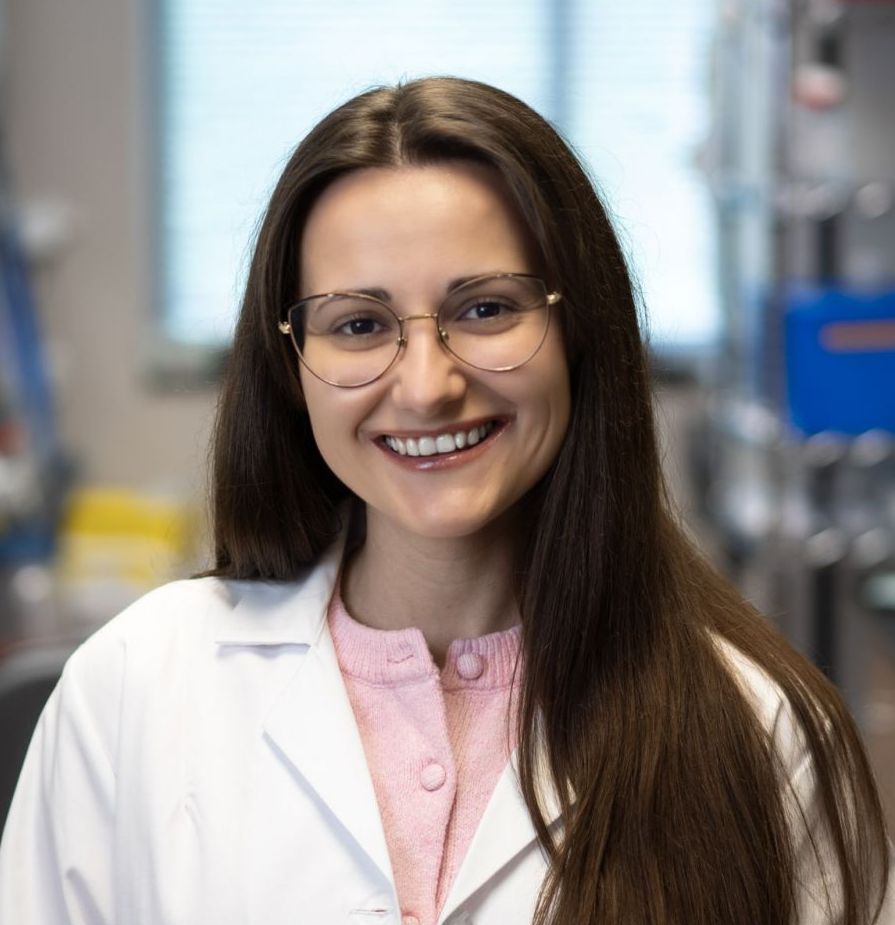
PhD Student
University of Bristol, UK
When: 11:45, Thursday 3 September 2026, Selected ECR Oral Communications from Abstracts – Session 2 (view programme)
Talk: Cholinergic stimulation of human cardiac pericytes: A basis for neurovascular co-culture modelling
Could restoring parasympathetic signalling improve cardiac repair after myocardial infarction? Cholinergic stimulation enhances the pro-angiogenic function of human cardiac pericytes and provides the foundation for developing a novel human co-culture system integrating cardiac pericytes and stem cell-derived autonomic neurones for studying the cardiac neurovascular interface during regeneration.
Bio: Nika is a Croatian medical graduate and third-year PhD candidate in Translational Health Sciences at the University of Bristol. After completing a year of clinical work, she pursued her growing interest in cardiovascular research, and her work now explores neural mechanisms of cardiac regeneration and the role of autonomic signalling in vascular repair.
Kelly Robinson
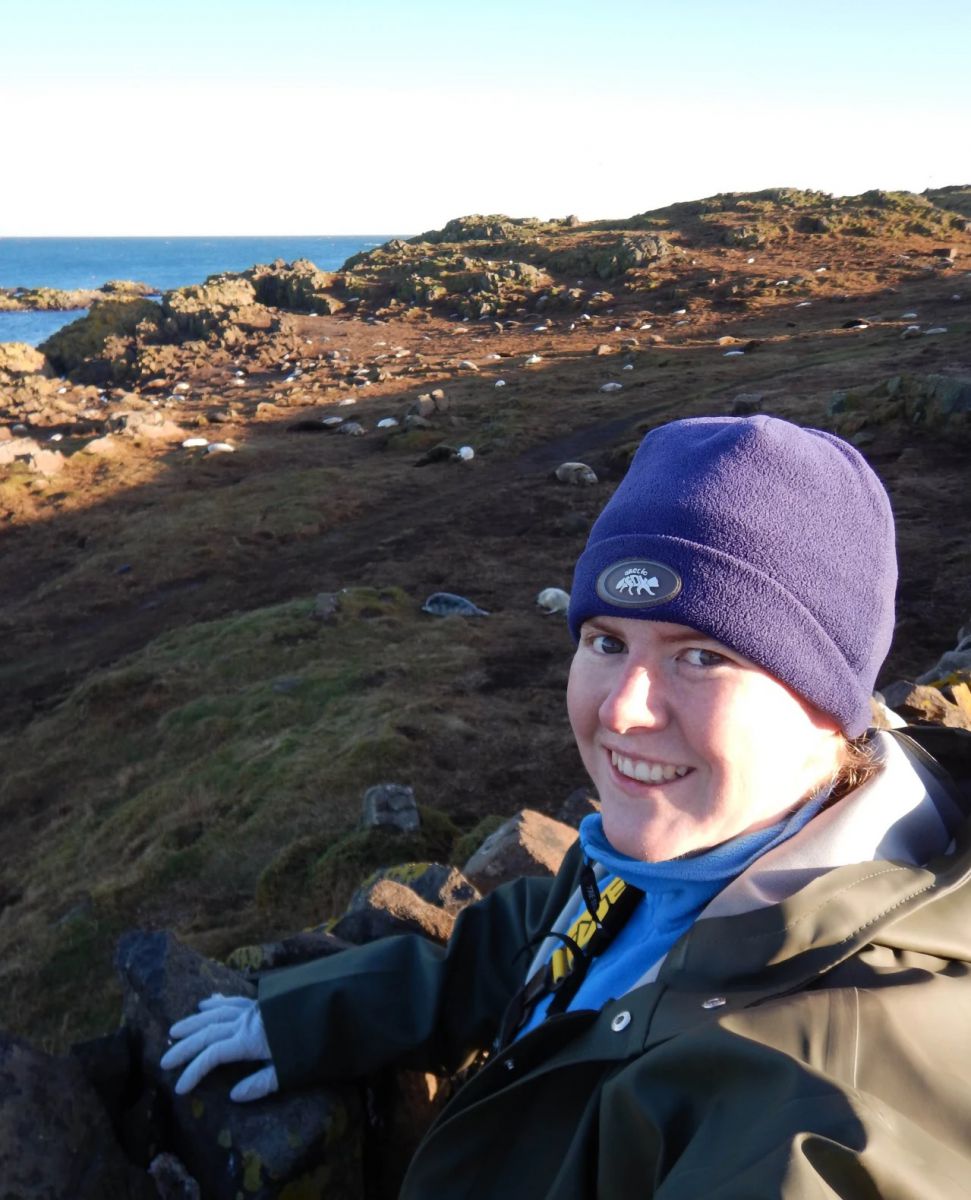
Senior Research Fellow
University of St Andrews, UK
When: 12:30, Thursday 3 September 2026, Selected ECR Oral Communications from Abstracts – Session 2 (view programme)
Talk: Bonding hormones that boost mass gain? Oxytocin’s effects on fat tissue and the impact of persistent organic pollutant exposure in juvenile seals
Appropriate mass gain in early life has lifelong health benefits, and its disruption is detrimental or life-threatening. The neuropeptide hormone oxytocin plays a vital role in parent-infant bonding and can impact energy balance, fat tissue development and function. My work investigates whether peripheral oxytocin levels are linked to fat tissue physiology in young seal pups using an in vitro explant method on an island seal breeding colony, and explores whether high pollutant burdens disrupt oxytocin and blubber tissue function.
Bio: I am interested in how physiological systems and behaviour interact to impact on individual fitness and survival, studying systems at the whole organism to cellular level. I specifically study oxytocin's effects on behaviour and energetics and have worked with marine mammal species, such as seals and dolphins, for much of my career to date. I completed my PhD at the University of St Andrews in 2014 and since then have continued to pursue my research interests while becoming a lecturer and taking periods of leave to have my two children.

Gitalee Sarker
Senior Postdoctoral Research Scientist
University of Oxford, UK
When: 12:00, Thursday 3 September 2026, Selected ECR Oral Communications from Abstracts – Session 2 (view programme)
Talk: A peripheral leptin set point governs obesity via sympathetic perineurial cells
Leptin resistance is a key feature of obesity, but could part of the problem lie outside the brain? In this talk, I’ll introduce Sympathetic Perineurial Cells (SPCs), a distinct subpopulation of perineurial cells that integrates leptin and sympathetic signalling in adipose tissue and show how its dysfunction may contribute to obesity.
Bio: I trained as a medical doctor in Bangladesh before transitioning into neuroscience, completing a Master’s at the University of Bonn, Germany and a PhD at ETH Zurich, Switzerland. I later joined Prof. Ana Domingos’ lab at the University of Oxford as a Novo Nordisk Postdoctoral Fellow, where my research focuses on the neurobiology of metabolism and obesity.

Szilvia Vas
Research Associate
University of Cambridge, UK
When: 17:30, Wednesday 2 September 2026, Michael Harbuz Award Lecture (view programme)
Talk: Selective chemogenetic activation of orexin/hypocretin neurons induces estrous stage–dependent excitation of arcuate kisspeptin neurons in mice
The neural control of reproduction and the regulation of sleep-wake state have long been studied as separate fields. This lecture presents evidence that the activity of the ARN kisspeptin pulse generator is temporally coupled to sleep-wake state, and that chemogenetic activation of orexin neurons excites the pulse generator. These arousal pathways may be relevant to the relationship between sleep and reproductive control, offering a possible mechanistic entry point into the poorly understood link between sleep and fertility.
Bio: Dr Szilvia Vas is a Postdoctoral Research Associate at the University of Cambridge. Following a PhD in Budapest on hypothalamic sleep regulation, and postdoctoral work at Cambridge on sleep-EEG alterations in Huntington's disease models, she now studies the role of hypothalamic arcuate kisspeptin neurons in reproductive regulation. As a Researcher Co-Investigator on a BBSRC-funded project, she explores the crosstalk between sleep and reproductive control, bringing together her expertise in sleep and reproductive neuroscience. Her long-term goal is to understand how sleep and circadian disturbances may affect reproductive function.